
What Makes HEPA Filters So Effective
A HEPA filter is the heart of any effective air purifier. Standing for High Efficiency Particulate Air, HEPA filters are designed to capture 99.97% of airborne particles as small as 0.3 microns. This includes dust, pollen, mold spores, pet dander, and even some bacteria and viruses.
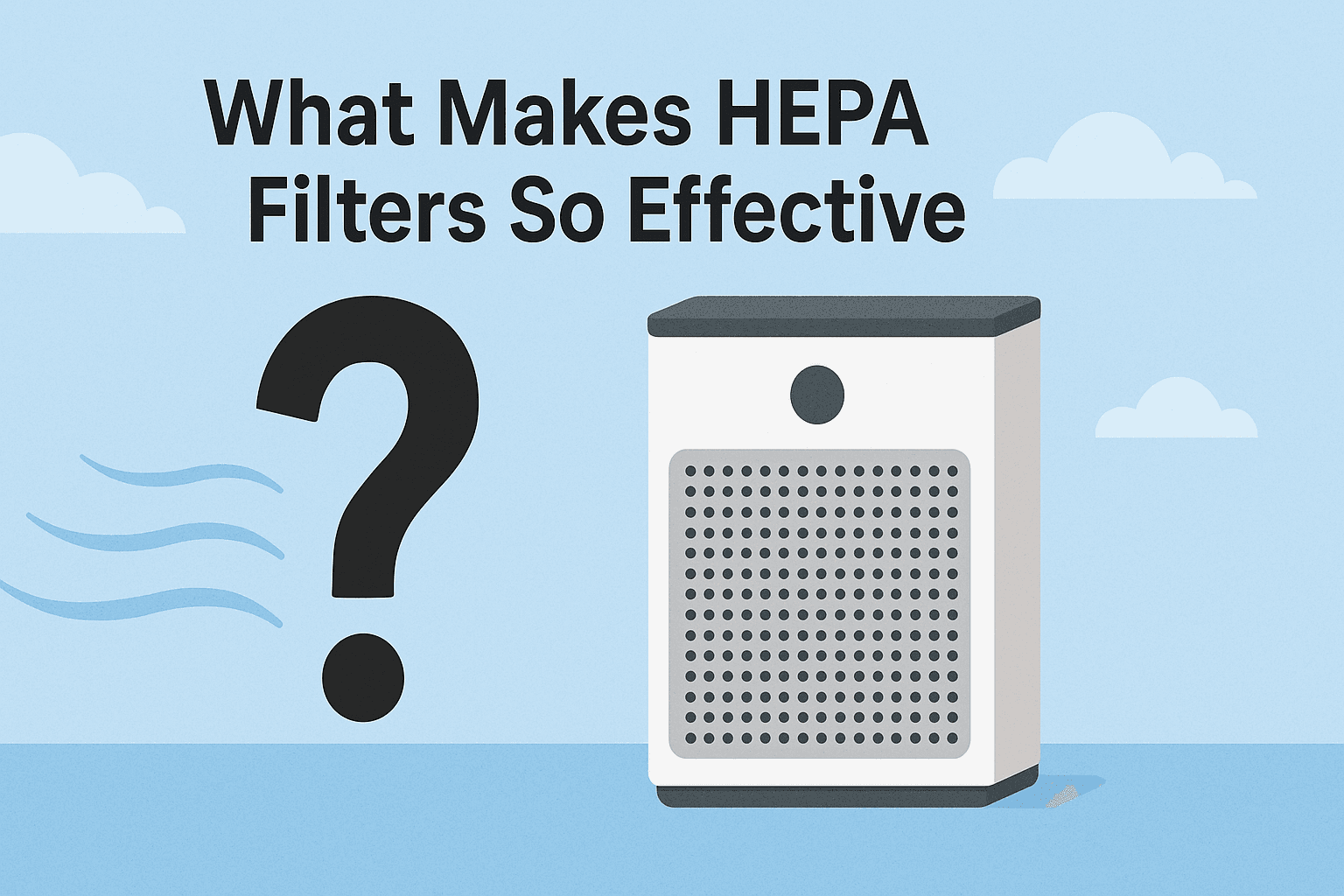
A HEPA filter is the heart of any effective air purifier. Standing for High Efficiency Particulate Air, HEPA filters are designed to capture 99.97% of airborne particles as small as 0.3 microns. This includes dust, pollen, mold spores, pet dander, and even some bacteria and viruses.
HEPA air purifiers are especially beneficial for people with allergies or respiratory conditions. Unlike standard filters, HEPA filters don’t just mask odors or trap large particles—they provide deep purification by mechanically forcing air through a dense mesh.
When choosing an air purifier, make sure it uses a true HEPA filter (not “HEPA-type” or “HEPA-like”) for the best results. Combined with a pre-filter and activated carbon, the HEPA system ensures a thorough clean, removing both particles and unwanted smells.
To maximize effectiveness, HEPA filters should be replaced regularly—typically every 6 to 12 months depending on usage. Many modern purifiers include filter change indicators to help you stay on track.
Incorporating a HEPA filter into your indoor air system is one of the most reliable ways to protect yourself and your family from invisible pollutants. It’s a proven, science-backed method for achieving fresher, safer indoor air.